

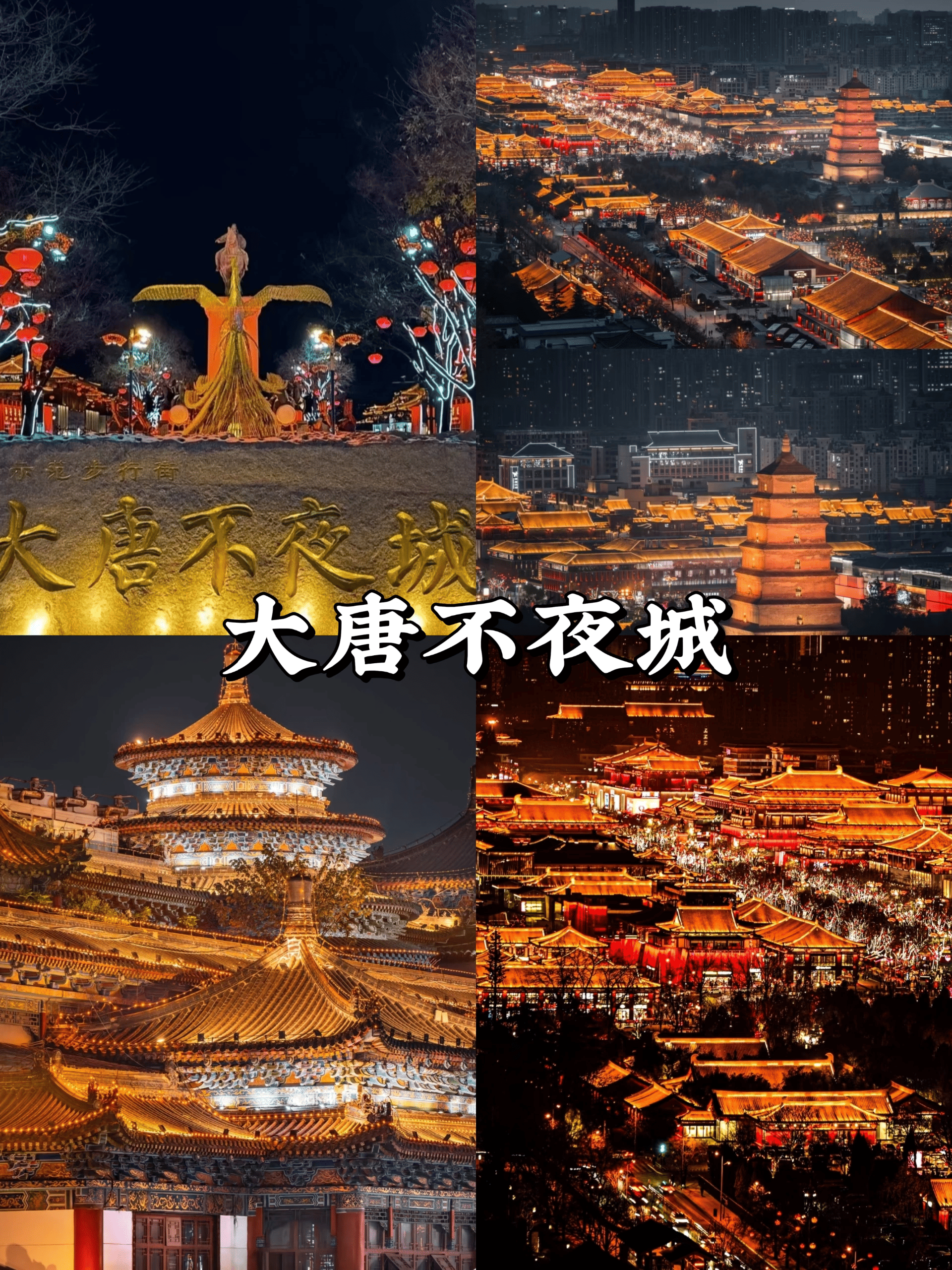
-scaled.webp)
-4.webp)
Xi’ an City One-day Tour
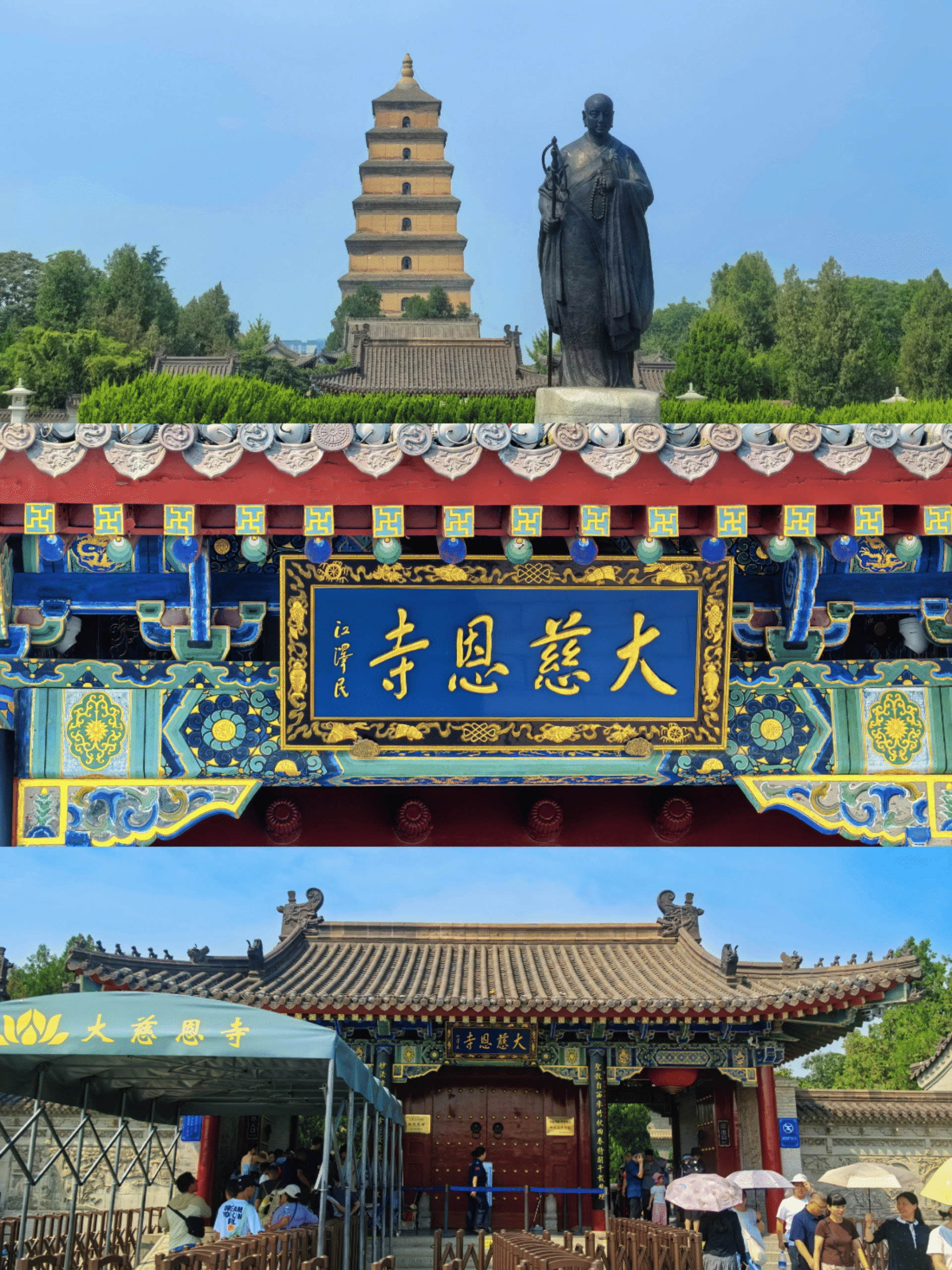
1 DayAfter gathering in the morning, take a bus to the largest musical fountain square in Asia [Big Wild Goose Pagoda North Square] (about 40 minutes' visit). From a distance, Master Xuanzang personally designed and built the Big Wild Goose Pagoda in Xi 'an, a landmark building dedicated to the scriptures retrieved from India. After thousands of years and many major earthquakes, it is a miracle that the pagoda has been tilted by 1,006 mm and is still towering. After that, you can walk into the Great Jionji (about 1 hour and 30 minutes) and visit the Big Wild Goose Pagoda to pray for happiness. Grand Jionji is the most famous and magnificent Buddhist temple in Chang 'an City of Tang Dynasty. In the 22nd year of Tang Zhenguan, Prince Li Zhi prayed for a blessing in memory of his biological mother, Empress Wende, and ordered the construction of a temple, so it was named Jionji. Since then, for more than 1000 years, Jionji has become a place of worship for Chinese and foreign Buddhists.
= = = Jionji, the essence is as follows = = =
√ Mountain Gate, Bell and Drum Tower, Guest Hall, Yunshui Hall, Ursa Major Hall, Ursa Major Hall, Finance Temple, etc.
√ Big Wild Goose Pagoda: In 652 AD, Master Xuanzang went to the table and personally designed and built the Big Wild Goose Pagoda. Originally designed as a 30-foot stone pagoda, it was finally built into the shape we see today, with 7 floors and a height of 64.5 meters. It is the earliest and largest existing square pavilion-style brick tower in the Tang Dynasty (30 yuan/person voluntarily chooses to climb the Big Wild Goose Pagoda at his own expense).
Nomination of Wild Goose Pagoda: The Wild Goose Pagoda is famous all over the world, and it is actually related to the title of the famous Wild Goose Pagoda. The title of the Wild Goose Pagoda began in the middle of the Tang Dynasty. After the scholars passed the Jinshi, they first had a banquet in Qujiang and then gathered in the Great Wild Goose Pagoda for the title.
√ Genjyo Sanzo Courtyard: The white marble at the entrance of Sanzang Courtyard is painted on the wall, and the national backbone and the leaders of Buddhism are written on both sides. Sanzang Courtyard is divided into three courtyards, namely Guangming Hall in the West Courtyard, Prajna Hall in the East Courtyard and Dabenjue Hall in the Middle Courtyard.
In the afternoon, I went to visit the world's largest and most well-preserved military fortress [Xi 'an City Wall] (about 1 hour's visit). Xi 'an City Wall is the oldest and most well-preserved ancient city wall building in the world, which continues the historical context of the entire ancient capital Chang 'an, and blooms its grandeur, magnificence and broadness to the world with its unique charm, showing the world the depth, wisdom and inclusiveness of the ancient capital. The circumference of Xi 'an city wall is 13.74 kilometers, including a series of military facilities such as moat, suspension bridge, sluice building, watchtower, watchtower, watchtower, parapet and crib. The five-in-one "Walls, Rivers, Roads and Alleys" has organically become an important landmark symbol and spiritual home of Xi 'an, an international metropolis with historical and cultural characteristics.
= = = Xi 'an City Wall, the essence of which is as follows = = =
√ Moat, suspension bridge, gate building, gate, door leaf, moon building, watchtower, stepping on the city, and "Ma Dao".
√ Wengcheng: The square town we see now is Wengcheng. The so-called Wengcheng is a closed space between the Moon City and the big city. Once the enemy enters here, he will be attacked from all sides, just like "catching turtles in a jar", hence the name. The urn is the same height as the wall of the big city, with the big city on the back and the moon city guard in front, which is of great significance in defending the city defense.
√ Haitang: This plane on the top of the city wall is Haitang, which means as wide and flat as sea level. The sea ridges are uniformly inclined inward, and more than 160 drainage grooves are built every 60 meters, which can prevent rainwater from infiltrating and effectively protect the wall of the city wall.
√ Stack wall, crib mouth and hanging eye: facing the wall outside the city, it is called crib wall, and the gap between two crib walls is called crib mouth. There are 5,984 crib mouths in this circle of the city wall, which can be used for soldiers to shoot arrows and watch, and the small mouth below is called hanging eye, which can also be used for shooting.
√ Enemy platform, horse face and enemy building: every 120 meters on the wall, there is a pier that protrudes from the wall and is as high as the wall. It is called enemy platform, and there are 98 horse faces. Its function is to eliminate the dead angle under the city, so that the soldiers can have a wide field of vision. At that time, the effective range of the crossbow was 60 meters, and a three-dimensional cross fire net was formed between the two enemy platforms. Above enemy platforms, enemy towers are generally built. The watchtower can not only station troops and watch, but also store weapons in wartime, which is an important part of the city defense works.
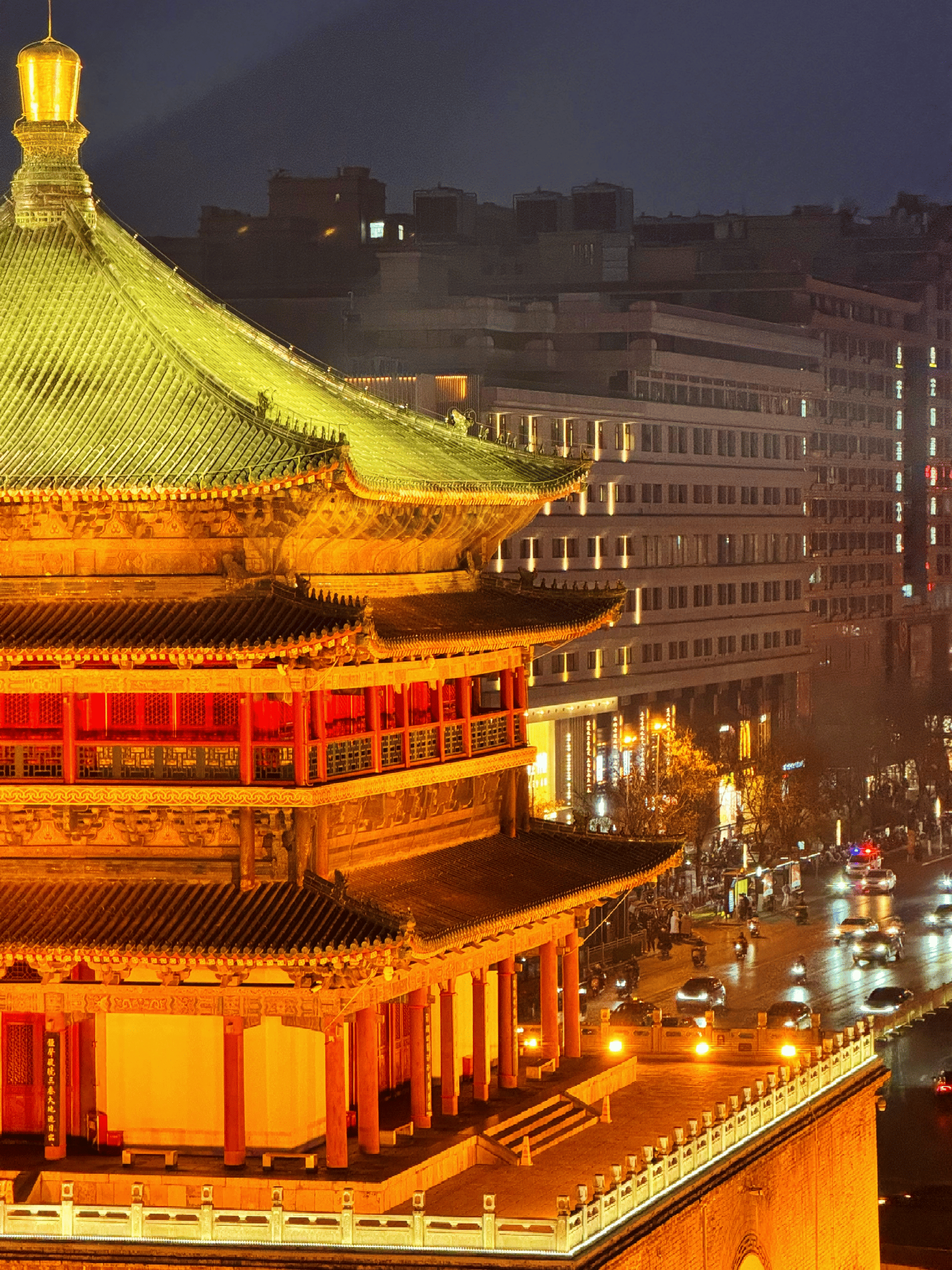
After that, visit the landmark building [Bell and Drum Tower Square] in the center of Xi 'an, and visit the cultural and food street [Huimin Street] in Fangshang (about 1 hour's visit). In the prosperous Tang Dynasty, it was the seat of Shangshu Province, the highest administrative organ to carry out state affairs, paved with bluestones and shaded by trees. Nearly 300 kinds of special snacks were gathered here, and they followed "Laoshan" in the streets of Huimin, looking for historical sites and tasting snacks in trip worthwhile. After the tour, we will have a party near Huimin Street.


