

Terracotta Warriors and Horses & One-day Tour of Huaqing Palace
1 DayAfter breakfast, take a bus to Lintong and visit the famous royal garden [Huaqing Palace] (about 1 hour and 30 minutes). According to historical records, Huaqing Palace has a history of using hot springs for more than 6,000 years and a history of royal gardens for more than 3,000 years. Because of its early development and utilization, it was favored by emperors of all dynasties and enjoyed the reputation of being the first hot spring in the world. In the Tang Dynasty, it was called "the second capital and the second Chang 'an".
= = = Huaqing Palace, the essence of which is as follows = = =
√ Eating soup: The place where the officials accompanying the emperor took a bath, the pool area was not very large, but the shape was small, but there were many steps, which proved that there were many people bathing in it and the utilization rate was high. When it was unearthed, there were few records in ancient books, so many questions were left.
√ Star Soup: The place where Li Shimin of Emperor Taizong bathed was the highest among these groups of Tang Chi. It was built in 644, 100 years earlier than Guifei Pool, with the longest history. Archaeologists discovered the sites of Lishan Tang of Qin Shihuang and the Palace of the Han Dynasty of Emperor Wudi under this Tang Chi.
√ Lotus Soup: The pool dedicated to Emperor Xuanzong of the Tang Dynasty is 10.6 meters long and 6 meters wide. It was also called "Royal Soup Jiulong Hall" in the Tang Dynasty. The design of the pool is divided into two countertops, the upper countertop is like a freehand lotus, and the lower countertop is an octagon, which symbolizes the meaning of the land under the heaven.
√ Begonia soup: Built in 747 AD, it is named after its shape like begonia flower. It is a special pool given to Yang Guifei by Emperor Xuanzong of the Tang Dynasty, so it is also called "Guifei Pool", which is made up of 24 pieces of black jade.
√ Prince's Soup: a place dedicated to the bathing of princes. In the Tang Dynasty, there was a temple here, which was a single-story building with three rooms wide and two rooms deep. It is said that ten princes bathed here in the Tang Dynasty.
√ Statue of imperial concubine, ancient sources of hot springs, etc.
√ Wujian Hall: Located in Huaqing Palace Scenic Area in Lintong, Xi 'an, it was built in the late Qing Dynasty. The glass windows and walls of the five halls still have bullet marks when there was a fierce battle between soldiers. The furnishings in each room are copied and placed according to the original appearance, vividly showing that thrilling history.
√ Binjian Pavilion: Located next to the Tiger Spotted Stone in Xixiuling, halfway up Lishan Mountain, it was built by Hu Zongnan in 1946, and was originally named "National Revival Pavilion and Zhengqi Pavilion". After liberation, the common people called it "Catch Jiang Ting", but it was renamed as Binjian Pavilion on the 50th anniversary of the Xi 'an Incident in 1986 (voluntarily choose to take it at their own expense, take a battery car to Binjian Pavilion, and it takes about 30 minutes to go back and forth to 20 yuan/person).
√ Mount Li: It has been green and beautiful since ancient times, and looks like a black steed from a distance, so it is called Mount Li. The word "Mount Li" means a blue-black steed in ancient Chinese. Mount Li is about 1300 meters above sea level, which is divided into two embroidery ridges in the east and west. The buildings of Huaqing Palace are mostly on the embroidery ridge in the west, and the highest peak of the embroidery ridge has the beacon tower site, which is the place where the princes of Zhou Youwang bonfire play. On the second peak, there is an old mother's hall dedicated to Nu Wa Niangniang (voluntarily choose to take a cableway at their own expense to and from 60 yuan, one-way trip to 35 yuan and one-way trip to 30 yuan).
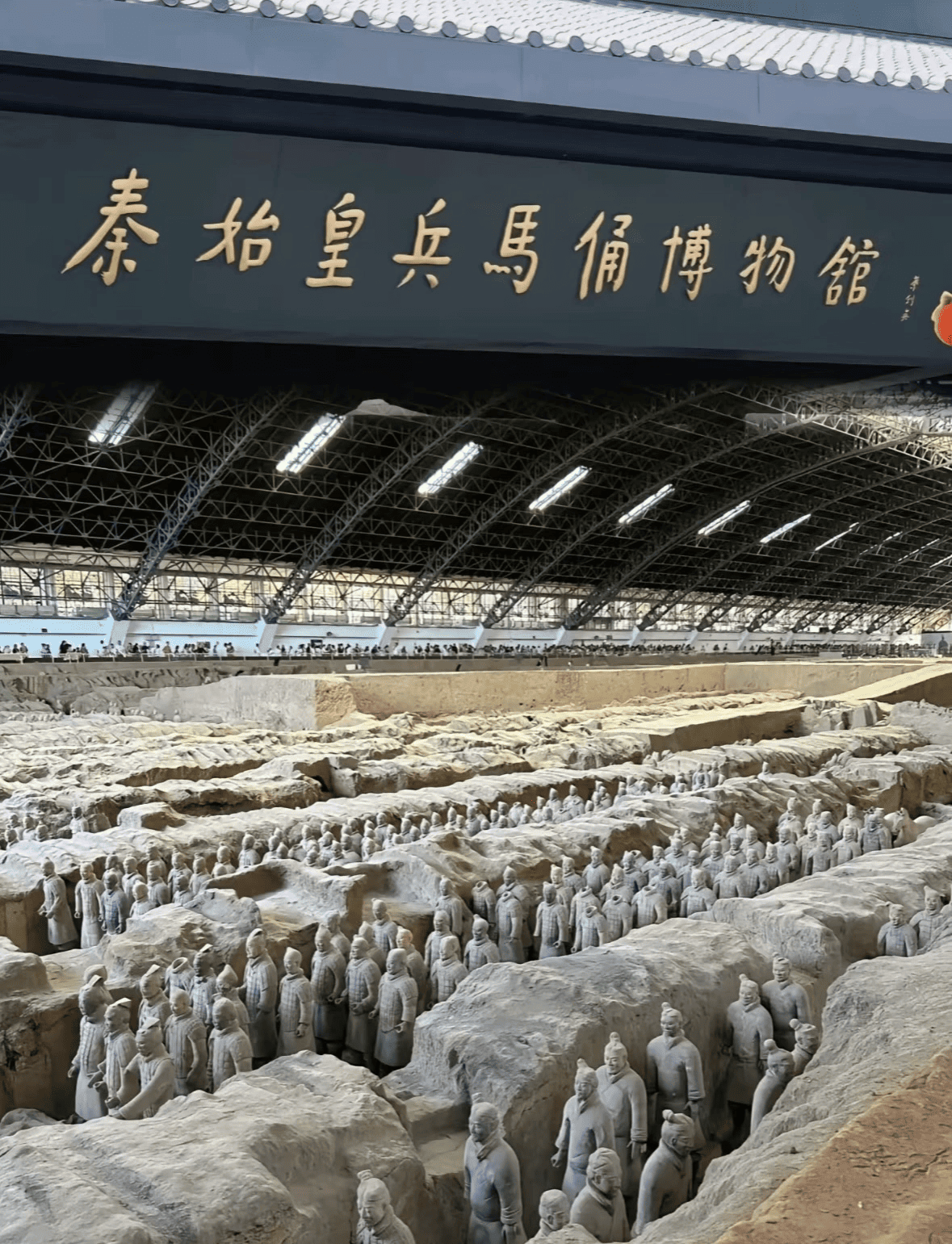
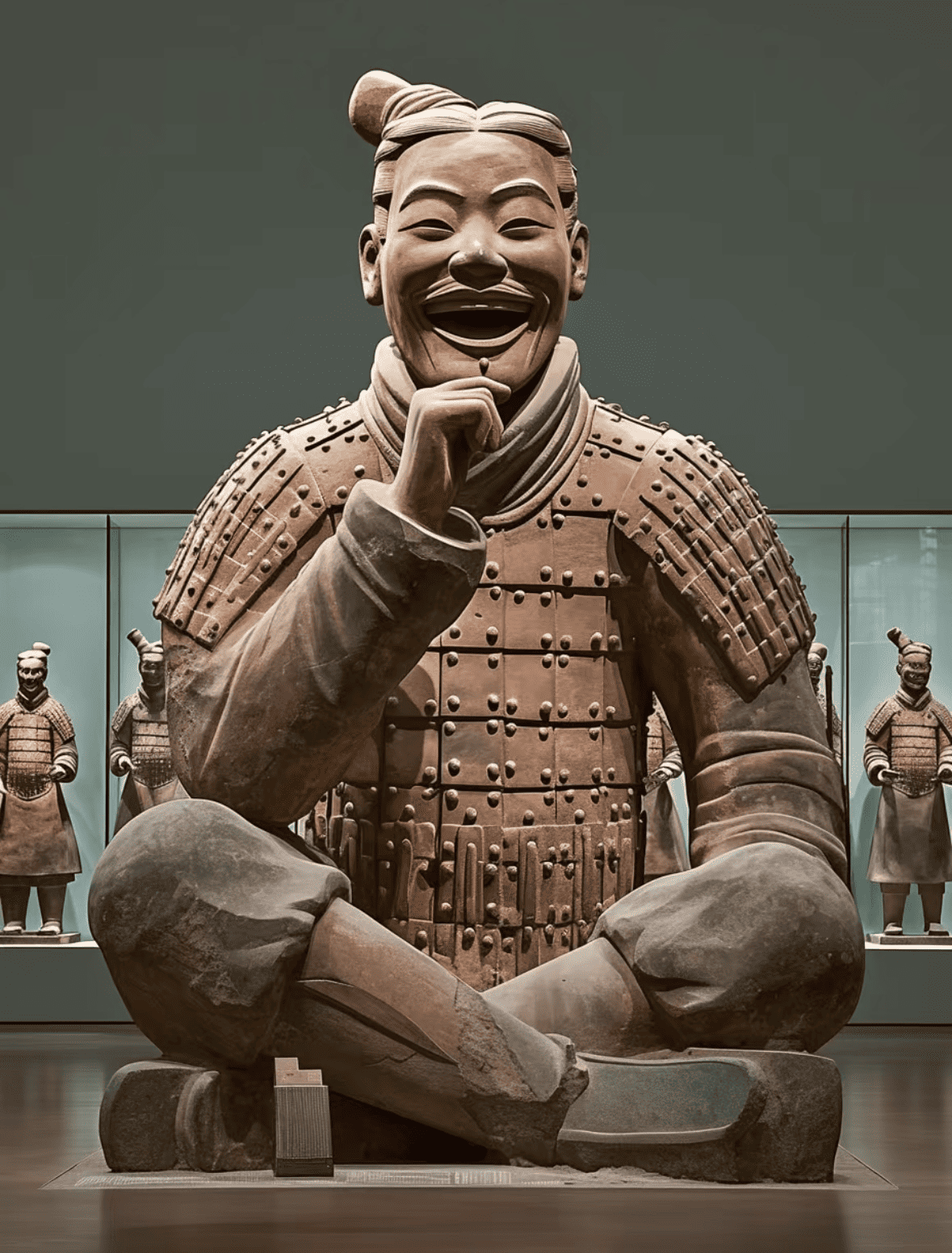
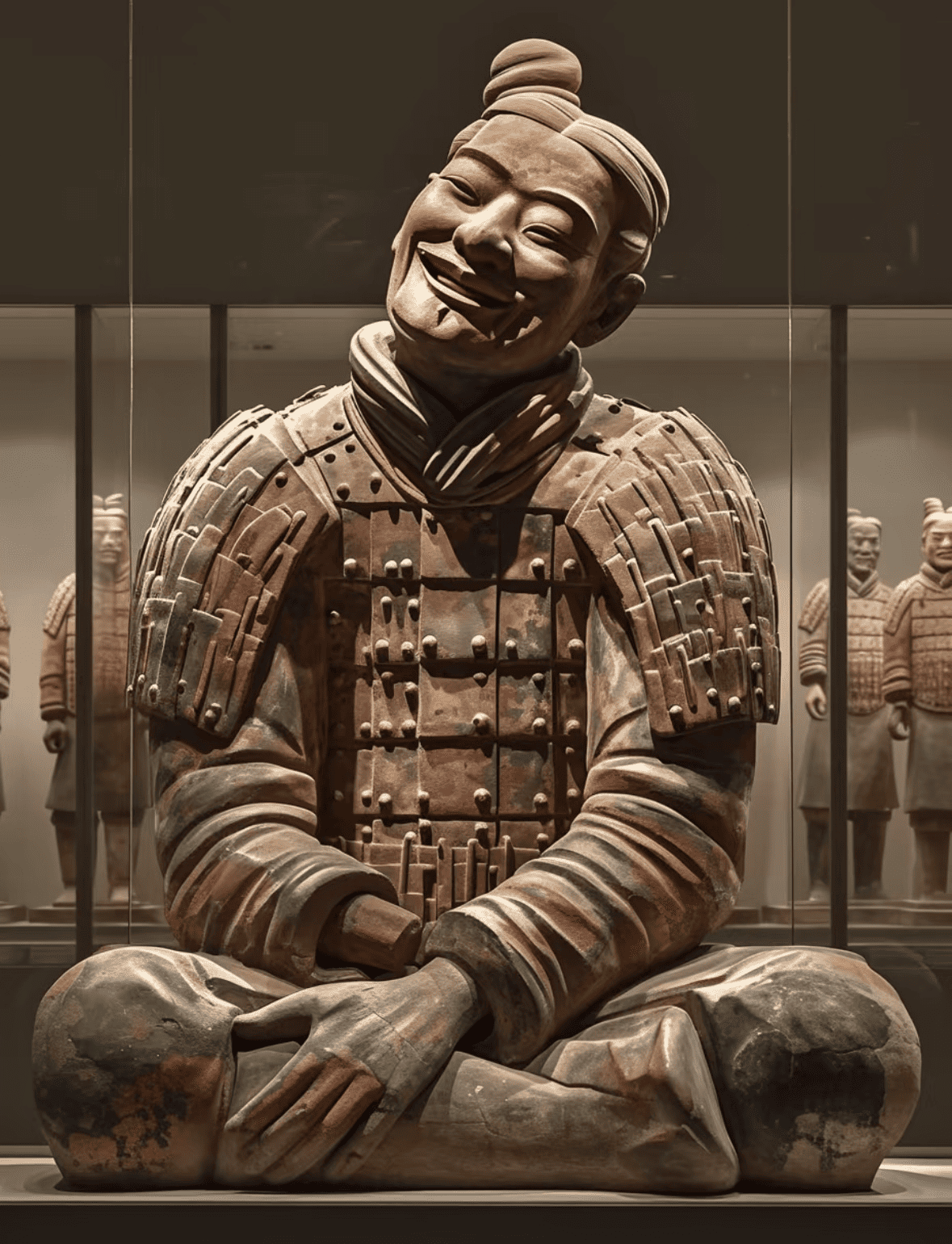
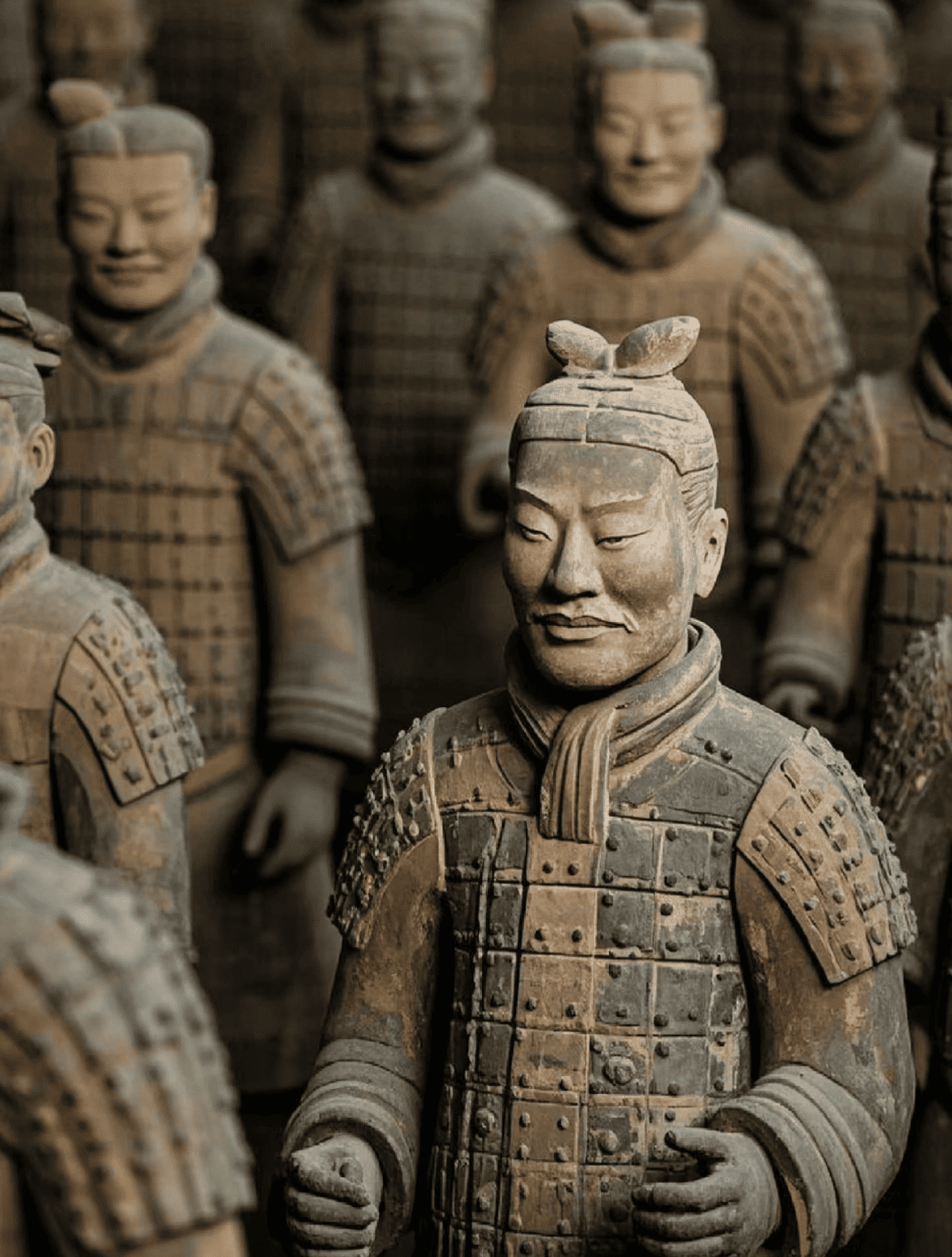
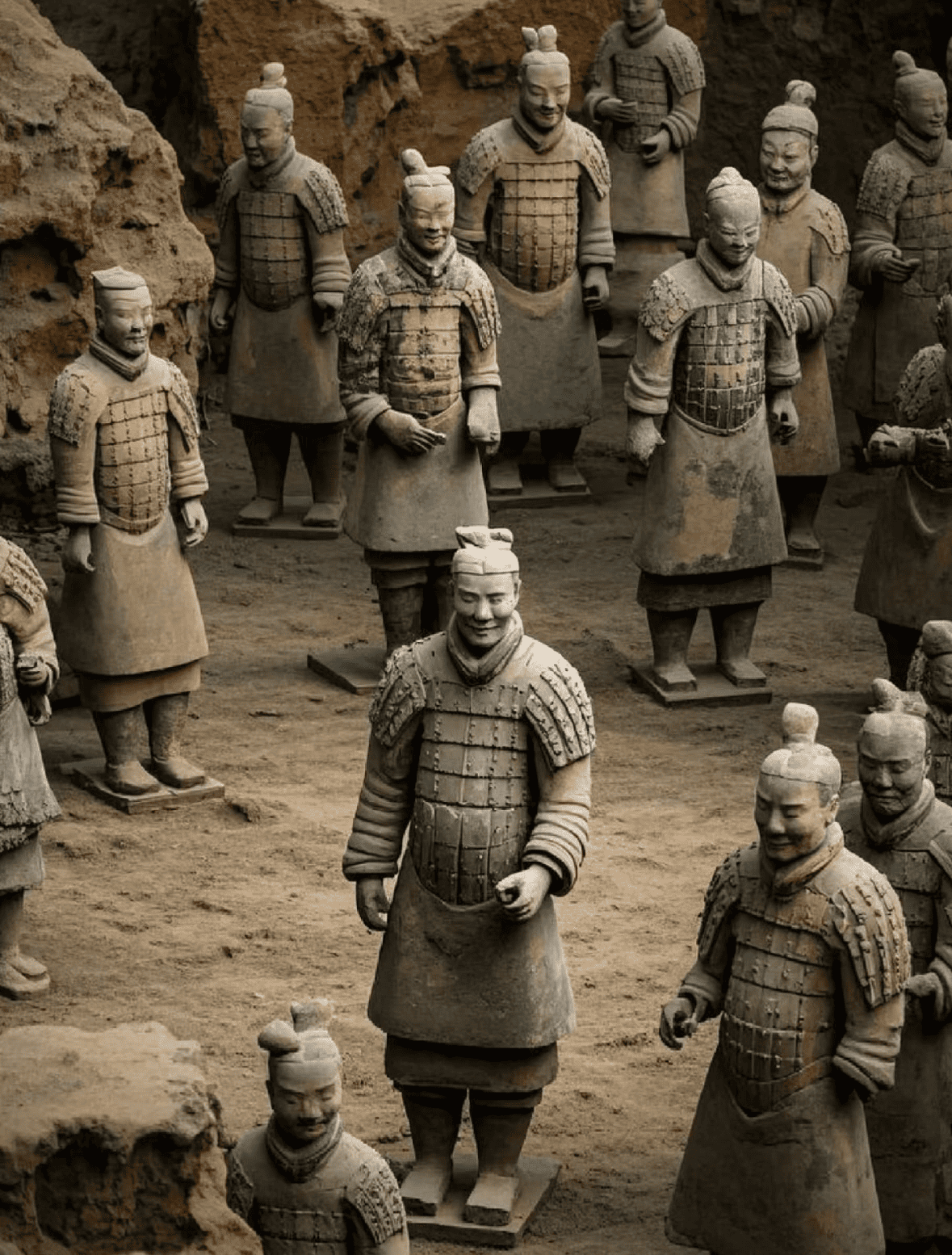
After lunch at noon, we will visit the Museum of the Mausoleum of Emperor Qin Shihuang, which has the reputation of "the eighth wonder of the world" and has stood underground for two thousand years (the tour lasts about 2 hours and 30 minutes, and the scope of the tour is 1/2/3 pit of the Terracotta Warriors and Horses Museum of Qin Shihuang). The Huangdi Mausoleum Museum at the beginning of Qin Dynasty is a large-scale site museum based on the Terracotta Warriors and Horses Museum and the Mausoleum Site Park of Qin Shihuang. Among them, the unearthed pottery figurines are different in image and vivid in expression, which is a pearl in the history of ancient sculpture art in China, and is known as "the eighth wonder in the world" and "one of the great discoveries in the archaeological history of the 20th century".
= = = Qin Shihuang Mausoleum Museum, the essence of which is as follows = = =
√ No.1 Pit of Terracotta Warriors: No.1 Burial Pit is the largest pit of Terracotta Warriors discovered in the Qinling Mountains. It is an east-west rectangle with a length of 230 meters and a width of 62 meters, with a total area of 14,260 square meters, which is equivalent to two football fields. Here are the chariots and infantry formations of the Qin Dynasty. According to the trial excavation, more than 6,000 pieces of pottery figurines and horses are buried (voluntarily choose to ride at your own expense, and the battery car of the Terracotta Warriors and Horses will go to the No.1 pit, one-way 5 yuan/person).
√ No.2 Pit of Terracotta Warriors: No.2 Burial Pit is located in the northeast of No.1 Pit, which is an underground civil structure building with a square foot shape and a total area of about 8,000 square meters. There are more than 1,400 pottery figurines and horses buried in the pit, 89 chariots, 116 cavalry pommel horses and tens of thousands of bronze weapons.
√ No.3 Pit of Terracotta Warriors: No.3 Pit is located on the north side of the western end of No.1 Pit, opposite to No.2 Pit from east to west, with an area of about 520 square meters, and the whole pit is concave. From the internal layout, it is the headquarters of pits 1 and 2, and it is the earliest image data of military headquarters in the world archaeological history.
√ Tips: After the trip, we will switch cars according to different performances, and there will be waiting during the trip. After the return trip, please choose one of the three places (near the Bell Tower, Yongxingfang and Datang City that Never Sleeps). In case of traffic jams, holidays and traffic control, you need to go to Datang City that Never Sleeps by yourself. Please forgive me.
Punching in at night [Datang City that Never Sleeps] is the only large-scale imitation Tang building complex pedestrian street in China with the prosperous Tang culture as the background. There are four major squares here, such as Xuanzang Square, which is positioned as the theme square of Buddhist culture, Zhenguan Square, which embodies the dominance of the Tang Dynasty, and Kaiyuan Square, which is the climax of the landscape. On the central sculpture landscape pedestrian street of the Central Axis Landscape Avenue, there are nine groups of theme group sculptures, such as "Zhenguan Governance" and "Kaiyuan Shengshi", which show the weather of a big country. The city that never sleeps perfectly integrates the culture of the prosperous Tang Dynasty with modern commerce, leisure and entertainment. It is a new business card for cultural tourism in Xi 'an, allowing tourists to travel back to the prosperous Tang Dynasty, enjoy the night scene by themselves, and then return to the hotel.


