

Hukou & Huangdi Mausoleum One-Day Tour
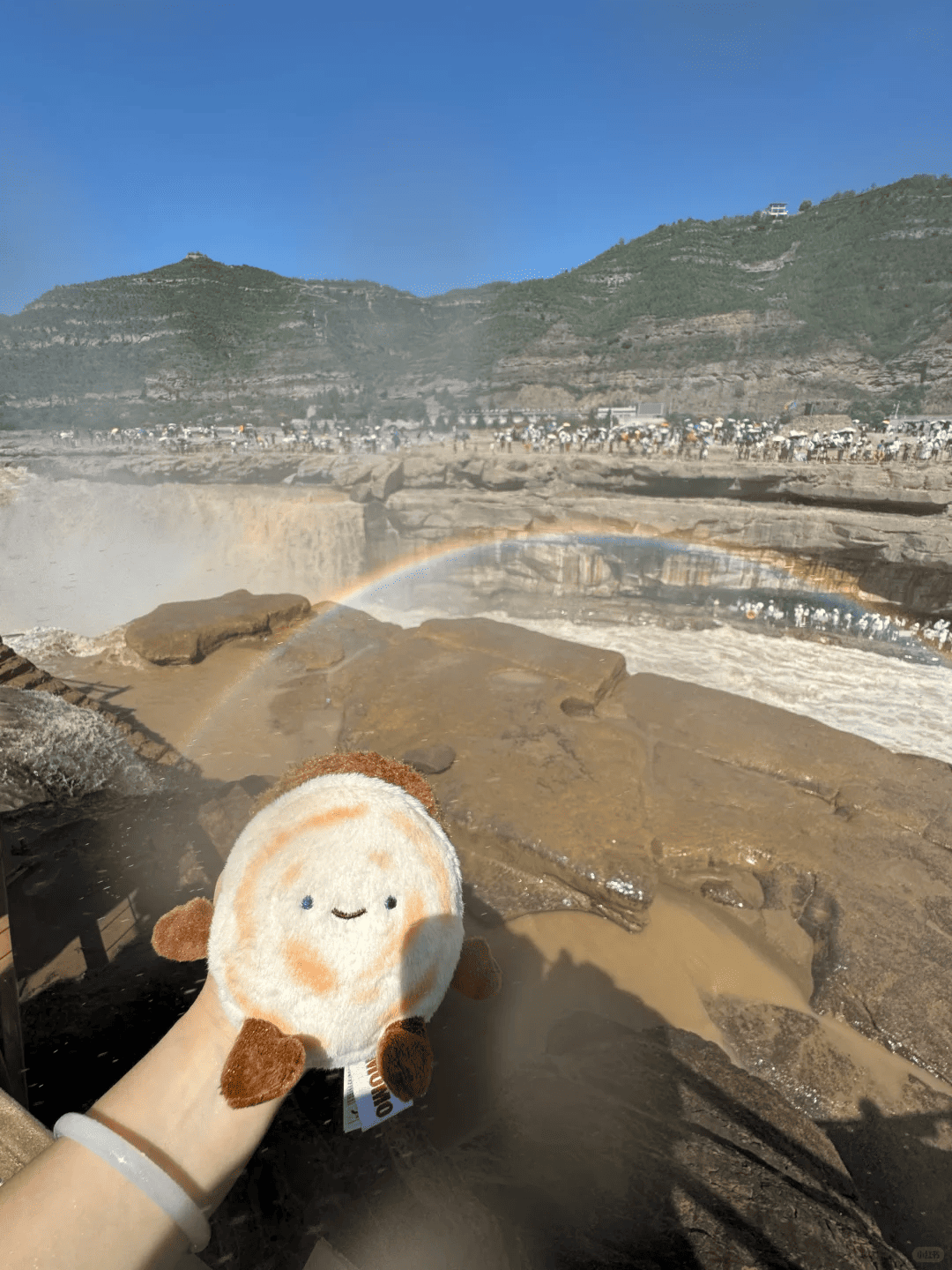
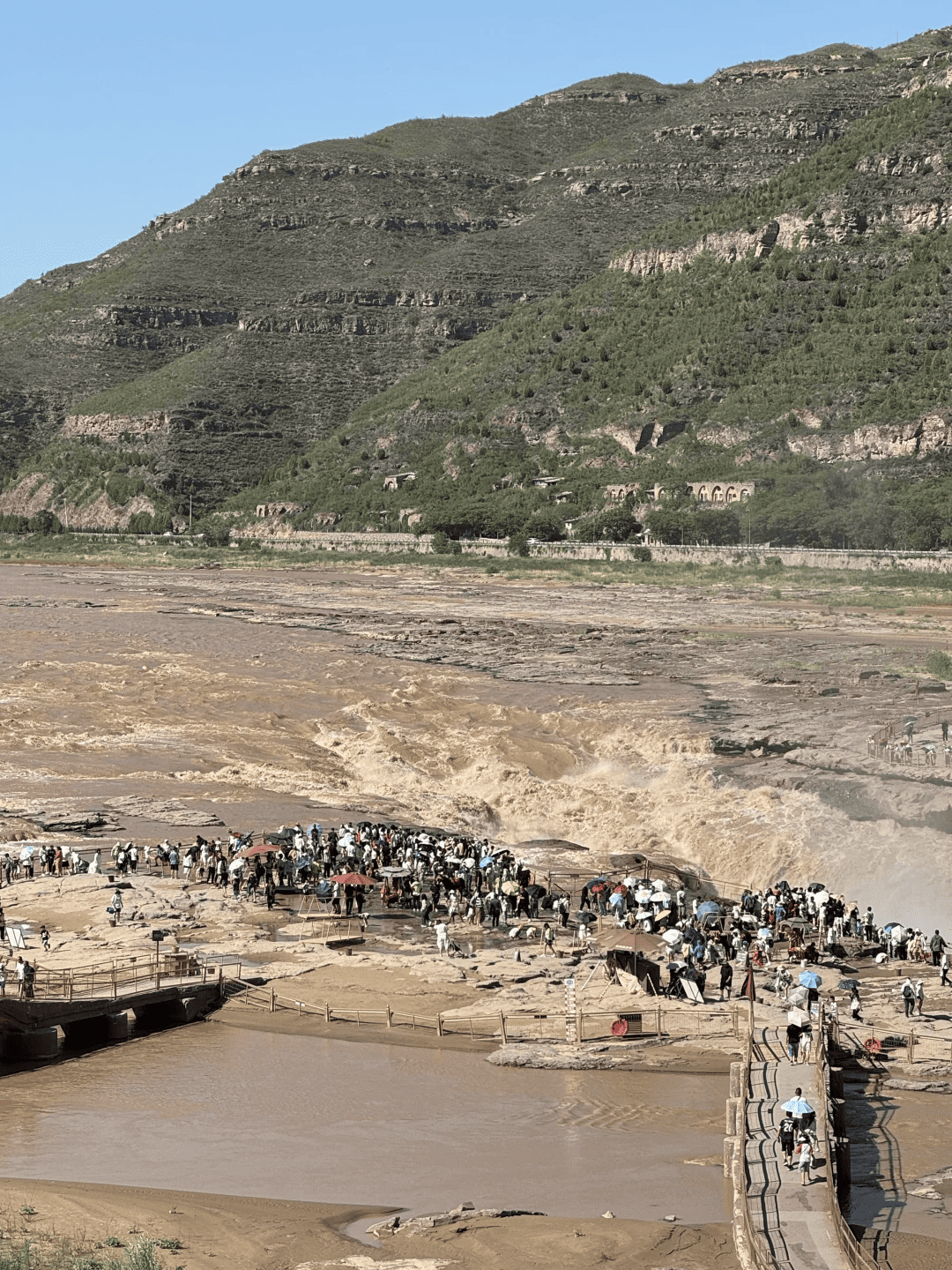
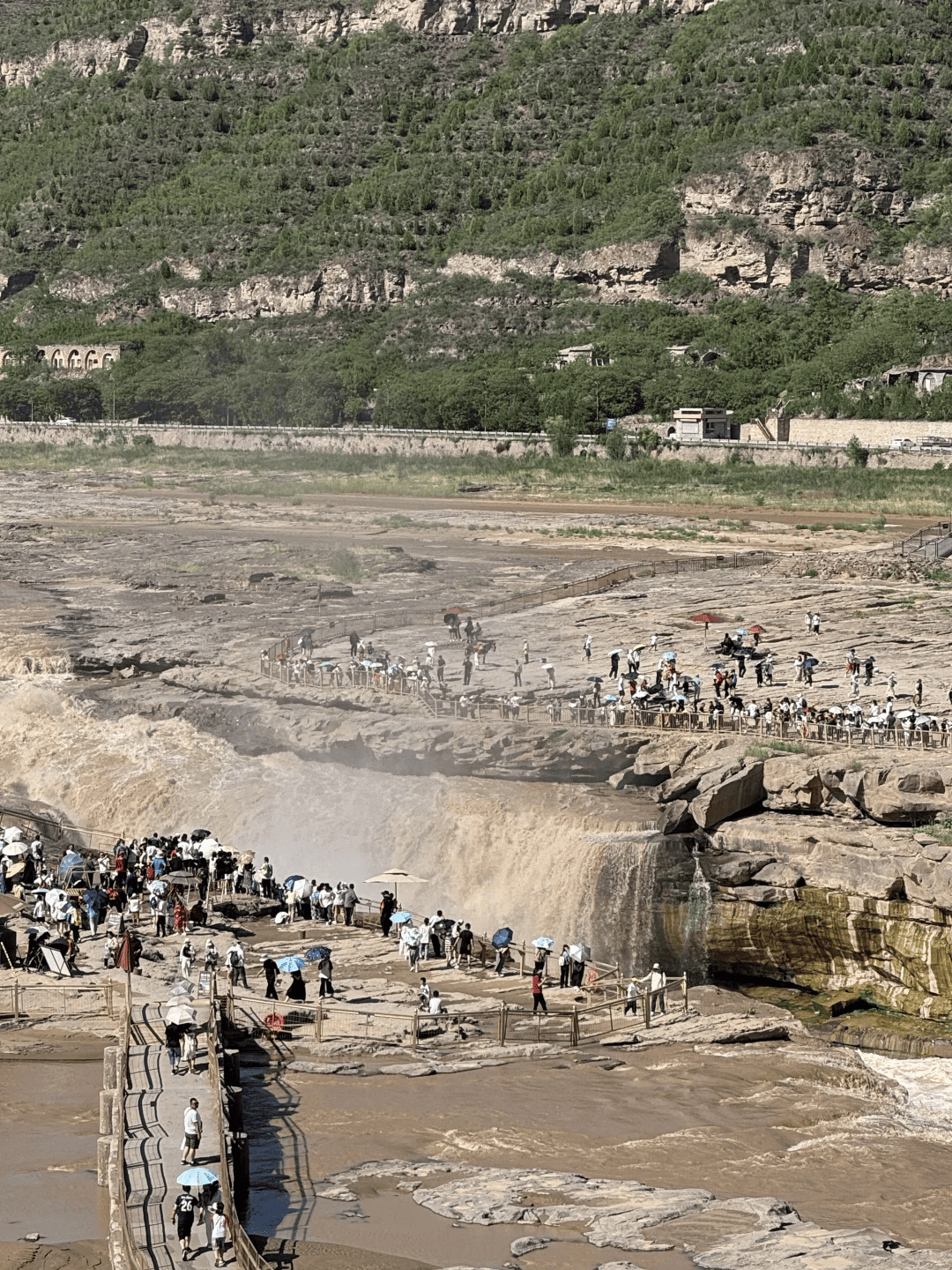
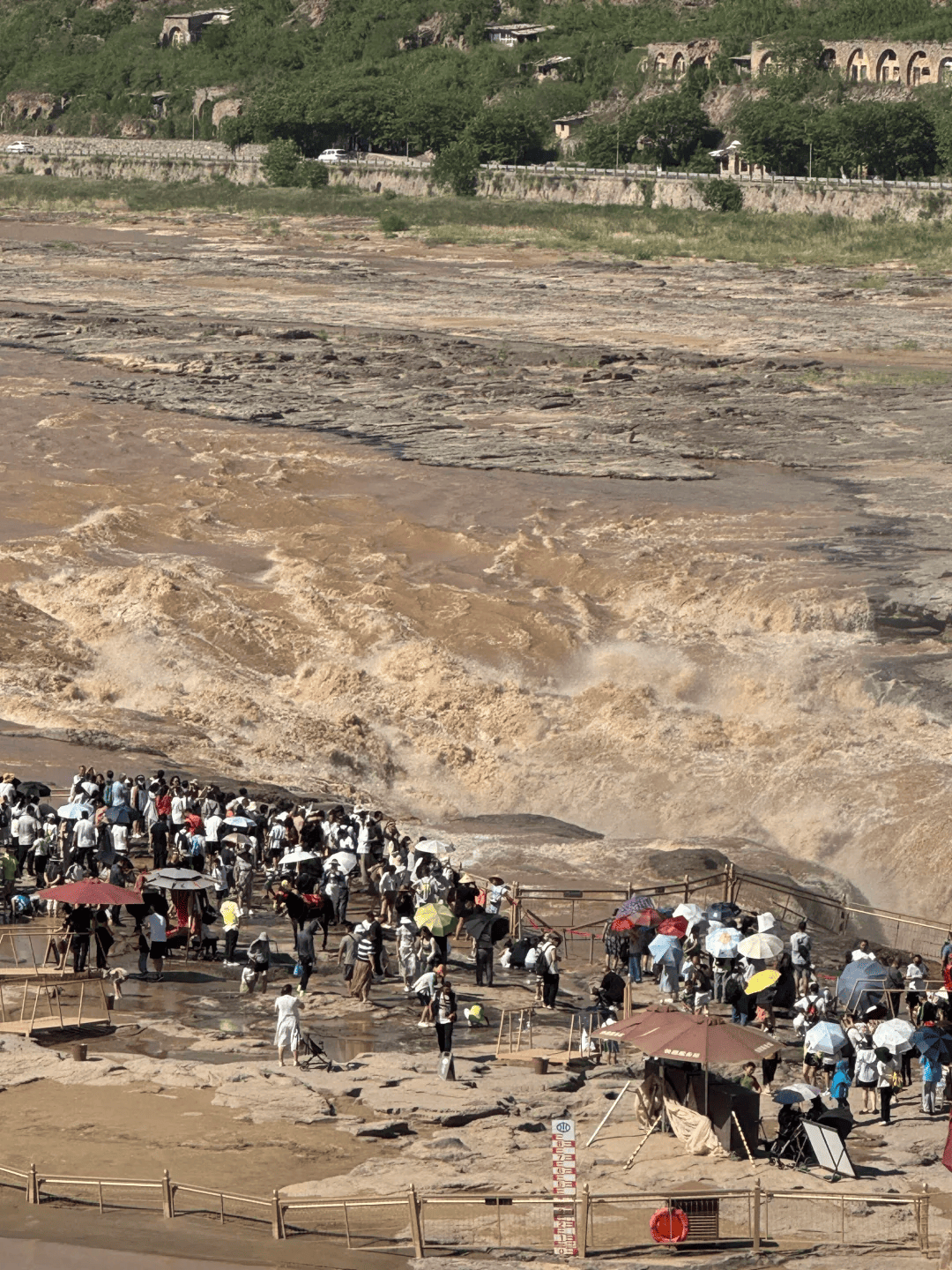
1 DayIn the morning, the tour guide will gather after picking up all the guests, and then take a bus to visit Hukou Waterfall on the Yellow River (the tour lasts about 1 hour and 30 minutes, and you must take it at your own expense, and Hukoujing will take a bus to and from 40 yuan/person). Enjoy lunch on the way (Northern Shaanxi characteristic educated youth banquet, with eight dishes and one soup marked 30/ person needs to take care of himself), and then visit [Gudukou Town or Educated Youth Home] by yourself, subject to the arrangement of the tour guide on that day. Hukou Waterfall is the only yellow waterfall in the world and a national scenic spot. It is located in the riverbed of the Yellow River in Qin Jin Grand Canyon. When the Yellow River roared all the way to Qin Jin Canyon, the width of the river suddenly shrank from more than 400 meters to 50 meters, and it poured into a stone trough with a drop of 30 meters. Because it looks like a teapot, it was named Hukou Waterfall. It is known as the "national spirit", "the soul of the Yellow River" and the spiritual symbol of the Chinese nation's courage.
= = = Hukou Waterfall of the Yellow River, with the following essence = = =
√ River Waterfall Canyon: In the upper and lower reaches of Hukou Waterfall, the peaks on both sides face each other, and the Yellow River water rushes and growls in the canyon, showing the grandeur and magnificence of nature. The scenery of the canyon varies with the seasons. In spring and autumn, the vegetation on both sides is colorful and beautiful against the yellow river.
√ Shililong Trough: At the bottom of a box canyon about 5 kilometers from Hukou to Mengmen, there is a deep trough 10-20 meters deep and 30-50 meters wide. After the rushing Yellow River water poured from the hukou, it began to rush in the trough at a flow rate of several thousand cubic meters per second, which was magnificent.
√ Mengmen Mountain: located 5 kilometers downstream of Hukou Waterfall on the Yellow River, below Shililong Trough. In the riverbed at the bottom of the Yellow River, there are two spindle-shaped boulders, which the ancients called "the foot of nine rivers". At this point, the river is divided into two roads, which flow from both sides and then merge into one.
√ Yu Palace: A palace built to commemorate Dayu's flood control, with profound historical and cultural heritage. Cultural relics and historical materials related to Dayu's water control are displayed here, so that visitors can understand the hardships and wisdom of ancient water control and feel the inheritance of Dayu's spirit.
After that, take a bus to visit [Huangdi Mausoleum Xuanyuan Temple] (about 2 hours' visit). Huangdi Mausoleum is located in huangling county, Yan 'an City, Shaanxi Province. The scenic spot consists of three parts: Chinese Ancestor Hall, Xuanyuan Temple and Huangdi Mausoleum. The tour order of the scenic spots is arranged by the tour guide. The Huangdi Mausoleum, known as Qiaoling in history, is surrounded by mountains on three sides and qu shui. It is a sacred place for the Chinese nation, and overseas Chinese call it "Oriental Mecca". In Xuanyuan Temple, there are towering ancient trees, such as Xuanyuan cypress planted by the Yellow Emperor, and 3,000 ancient cypresses such as Guajia cypress, which was collected by Emperor Wu of the Han Dynasty and hung here.
= = Huangdi Mausoleum Xuanyuan Temple, the essence of which is as follows = =
√ Xuanyuan Square: The ground is paved with natural pebbles, totaling 5,000 pieces, symbolizing the long history of the Chinese nation for 5,000 years.
√ Chinese Ancestor Hall: It is the first single cultural project in the Huangdi Mausoleum Cultural Park. According to the two sections of Huangdi Culture and Huangling Culture, it tells the story of Huangdi, Huangdi's times, Huangdi's achievements, Huangdi's worship, Huangdi's sacrifice, and the art of guarding and eulogizing the mausoleum.
Yinchi, Xuanyuan Bridge, Qiaobei Square, Longwei Road, Shanmen, etc.
√ The Yellow Emperor planted cypress by hand: The tree is 19.5 meters high and has a history of more than 5,000 years. It is known as the father of cypress in the world and the first cypress in China. According to legend, it was planted by the Yellow Emperor himself, so it is also called the Yellow Emperor planting cypress by hand. Hand-planted cypress has experienced vicissitudes of life, and it is still vigorous and vigorous.
√ Hong Kong and Macao Reunification Monument, Chengxin Pavilion, Monument Pavilion and Monument Gallery: Stone tablets are displayed in the Monument Pavilion. The first passage in the right hand is a memorial poem written by Dr. Sun Yat-sen, and the first passage in the left hand is a memorial to the Mausoleum of the Yellow Emperor written by Chairman Mao, which is known as a model for the Anti-Japanese War.
√ Hanging cypress and footprint stone: The tree is densely covered with spots, and it is called hanging cypress, also called general tree. According to legend, in 110 BC, Emperor Wu of the Han Dynasty toured the northern part of Shuofang, making a great impact on the Xiongnu. On his way back, he made a special trip here to sacrifice to the Yellow Emperor, and once hung his armor here.
√ The Hall of the First Ancestor of Humanity: the main hall dedicated to the Yellow Emperor, located in the center of the whole temple. There is a relief statue of the Yellow Emperor in Xuanyuan in the main hall, which is based on the stone statue of the Yellow Emperor unearthed from Wuliang Temple in Jining, Shandong Province. It is a full-length sculpture with four spirit patterns carved around it.
√ Sacrifice Square, Xuanyuan Hall: The 10,000-square-meter Sacrifice Square is located to the north of the Hall of the First Ancestors of Humanity, which can accommodate 5,000 sacrificial activities at the same time. Every year, Tomb-Sweeping Day's public sacrifice is held here. Xuanyuan Hall stands at the foot of Phoenix Mountain on the north side of the square, surrounded by 36 circular root pillars, with a circular skylight, which symbolizes the round place and the style of the Yellow Emperor's hall.
√ China Century cypress, Taishan colorful stone, Xiamabei, etc. (Choose to ride voluntarily at your own expense, ride the battery car of Huangdi Mausoleum up the mountain, and travel to and from 20 yuan/person)
√ Hanwu Sendai: On the left-hand side outside the Star Gate, the 20-meter-high cone-shaped earthen platform is called Hanwu Sendai. Emperor Wudi was very envious of the Yellow Emperor's ability to drive the dragon to heaven and become immortal, so he ordered 180,000 soldiers to take a bag of loess, build a high platform overnight, and then personally go on stage to pray for immortals, so it is also called praying for Sendai.
√ Mausoleum of the Yellow Emperor: It is said that when the Yellow Emperor died, the people felt grateful for his merits and were reluctant to let him go. They dragged clothes, boots, swords and other things from him and buried them here to build a mausoleum. The stone tablet "Bridge Mountain Dragon Yu" in front of the tomb proves that this is the place where the Yellow Emperor rode the dragon to heaven.
√ Panlonggang, Longjiaobai, Longyuge, etc.
Then return to Xi' an city, leave the group along Weiyang Road, North Street and Bell Tower, and return to the hotel by yourself.


