

Dujiangyan & Qingcheng Mountain One-Day Tour
1 DayChengdu--Dujiangyan--Qingchengshan--Chengdu
06:00-06:40 Pick up from Chengdu within the Third Ring Road to the meeting point.
07:00 Depart on time from the meeting point
08:30 Visit Dujiangyan Water Conservancy Project (tour time: about 3 hours)
12:30 Enjoy lunch--Qingcheng Si Jie
13:30 Visit [Mount Qingcheng Scenic Area] (tour time: about 3 hours)
19:00 Disperse in Chengdu near Jinsha Ruins
Dujiangyan sightseeing:
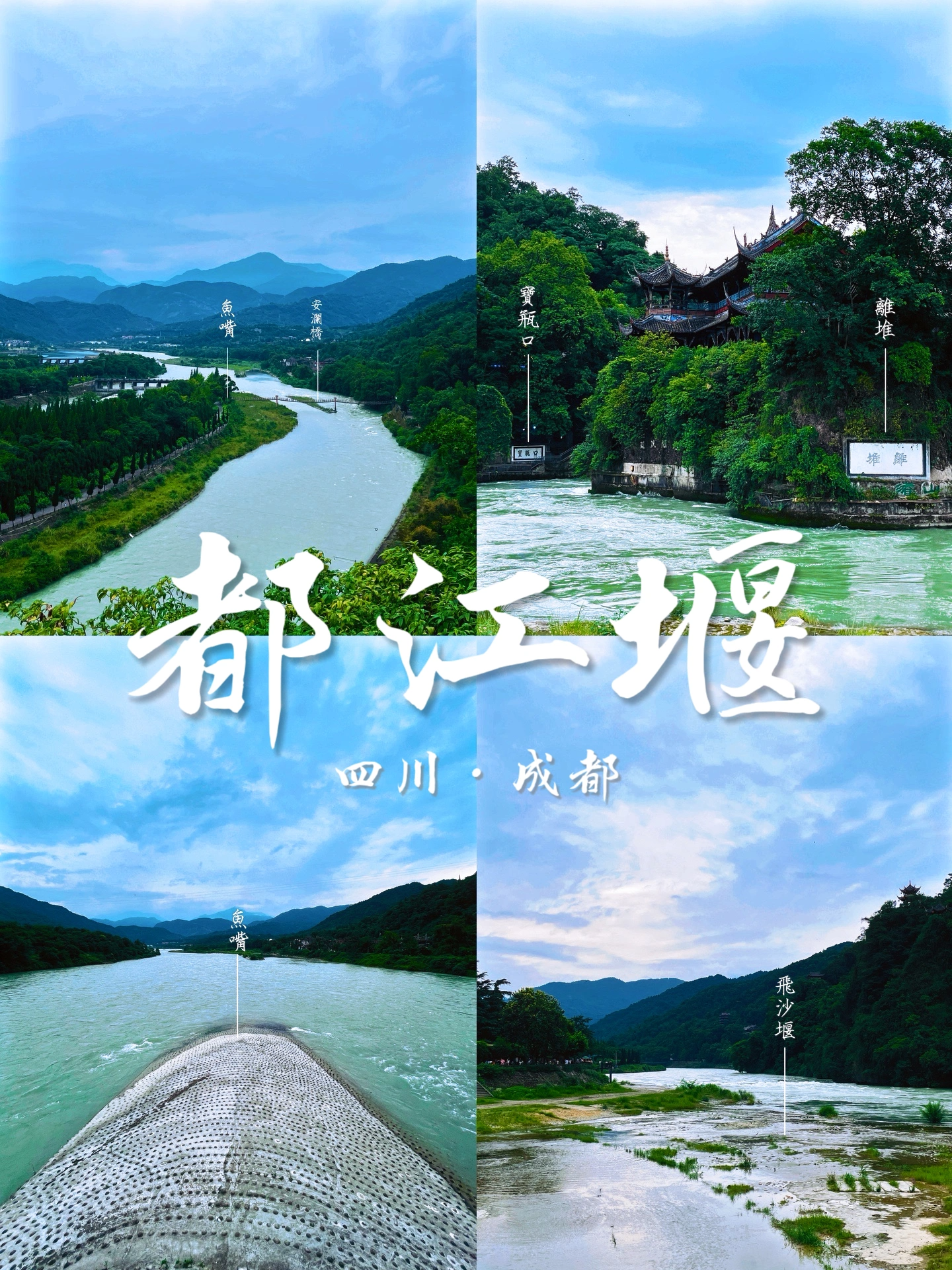
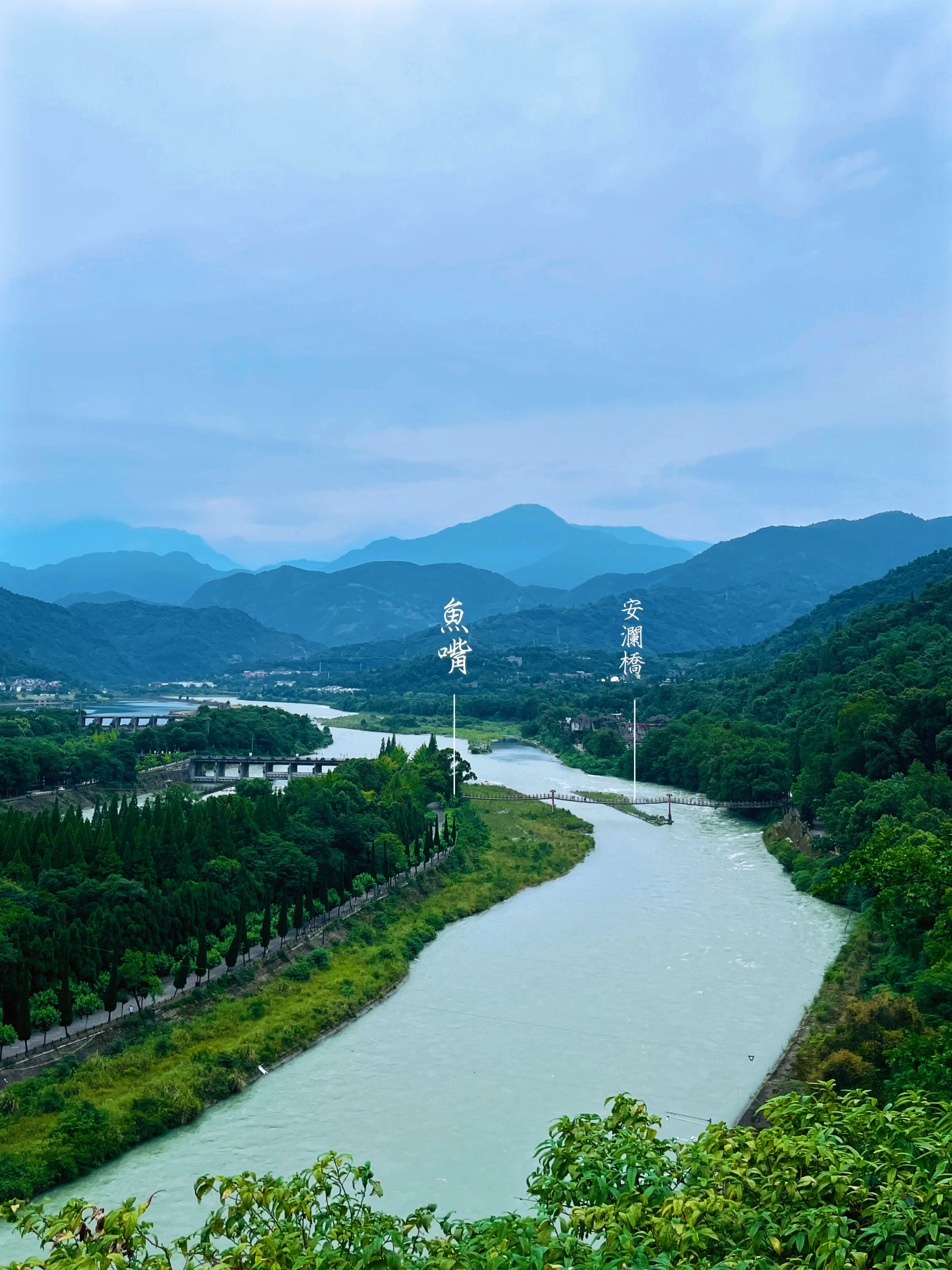
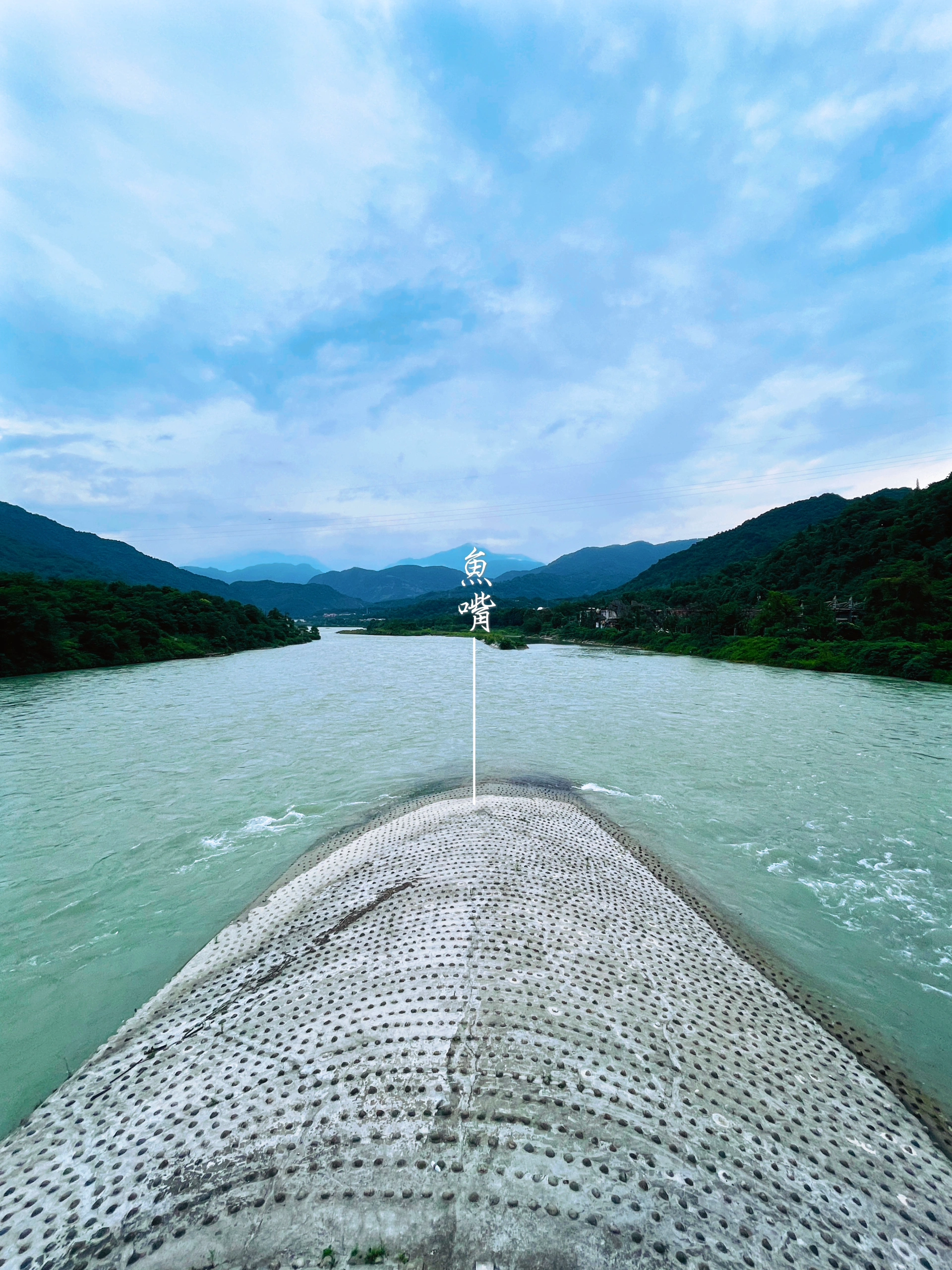
take the sightseeing bus [the cost of 20 yuan / person] to visit the entrance to the Dujiangyan scenic area, then from the south gate of the Dujiangyan scenic area to enter the Lidui Park scenic area to see the Pavilion, Lidui, weir Gongdao, the first garden in western Sichuan - Qingxi Garden, hiking tour of the Warring States period of Qin Zhaowang (227 BC), Shu County Governor Li Bing in the Minjiang River, the construction of China's first ancient water conservancy project - is listed as a “World Heritage Site”: Baobaikou water diversion, Faisayan flood relief dam, Guanyuizui embankment, crossing the Anlan Suo Bridge. Dujiangyan Water Conservancy Project which is listed as “World Cultural Heritage”: Baobuikou Diversion Port, Feishayan Flood Relief Dam, Guanyuizui Diversion Embankment, and Anlan Suoqiao Bridge. Across the Minjiang River to watch the 5.12 earthquake was damaged Qin Yan building, commemorating Li Bing father and son of the two Wang Temple. Climb the mysterious Jade Base Pavilion [at your own expense, 40 yuan / person], is a landmark of Dujiangyan, there is the country's second outdoor, 128-meter-long, 56-meter drop “heavenly ladder” --- Buyunlang Escalator, climb the Jade Base Pavilion: East - view Dujiangyan city panoramic view, West - view Dujiangyan Millennium Water Conservancy Project in its entirety, the whole city scenery in your eyes. Tips: Dujiangyan scenic water conservancy project
Tips: Dujiangyan scenic water conservancy project showroom are sold tourist souvenirs and souvenirs, the behavior of the scenic area, not our arrangements, please guests understand. Tourists in the scenic area within the purchase of goods must be cautious.
Mount Qingcheng tour:
Mount Qingcheng scenic area by sightseeing bus (at your own expense, sightseeing bus 35 yuan / person) to the birthplace of Taoism in China ---- World Cultural Heritage ---- Mount Qingcheng Scenic Area, around the Lake [at your own expense, round trip 10 yuan / person] by cable car (at your own expense, round trip 60 yuan / person) to the Shangqinggong excursion, the physical strength of the guests can continue to climb the mountain to the ‘First Peak of Qingcheng’. 'Qingcheng First Peak', looking out over the 36 peaks of Qingcheng; or by the Mountain Shade Pavilion, Ning Cui Bridge, five holes in the sky to the founder of Taoism, Zhang Daoling knots lemao preaching residence - Tianshi Cave, the original way down the mountain, the feeling of the Qingcheng empty Cui Sihe, the peaks, valleys, palaces and temples are reflected in the lush and verdant The peaks, valleys, palaces and temples are all hidden in the lush and verdant forests. Taoist pavilions are made of natural materials, without carving, and the mountains, forests, rocks and springs into one of the “ghost” of Qingcheng. While learning about traditional Chinese culture, you can feel the natural scenery of Laojun Pavilion, Yuecheng Lake, Tianshi Cave, Shangqing Palace, Five Cave Days, Immortal Cultivation and Coolness, verdant Qingcheng, natural paintings, Ancestor's Hall, Chaoyang Cave, Yuanming Palace, Jianfu Palace, the secluded nature of forest gardens, the ancient paths, the crying of birds, and the scent of mountain flowers. See all the Taoist palaces and temples of different ages and styles in the mountains, and enjoy the cultural charm of Taoism.
At the end of the tour, return to Chengdu near the Jinsha Ruins for a unified tour (about 19:00).
Tips: this scenic tour time of about 3 hours, part of the journey will be accompanied by tour guides, the rest of the time guests are free. Tourists must be cautious of religious activities (burning incense, fortune-telling, etc.) and purchasing goods in the scenic area.


